
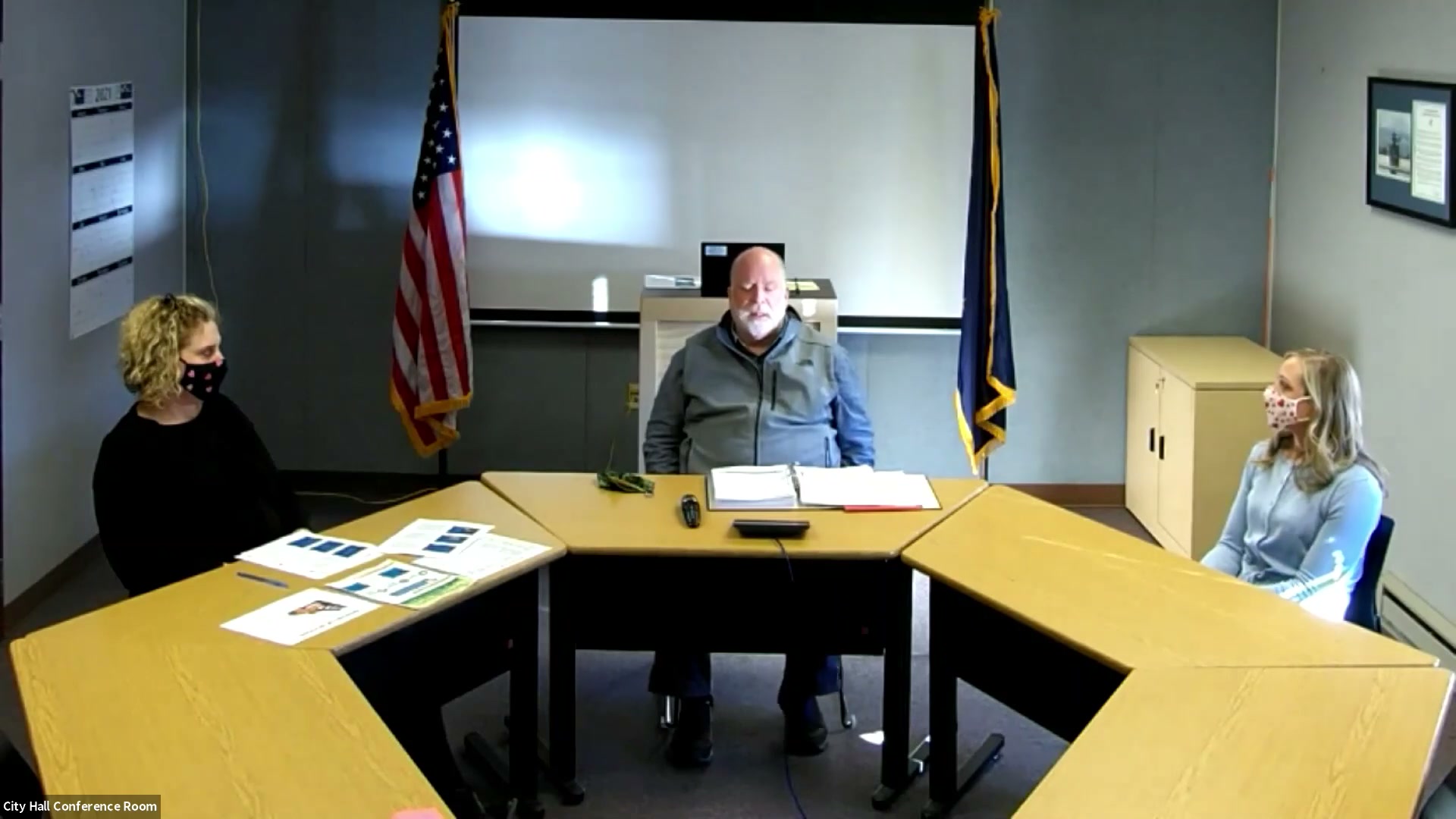
Frame from "City & Borough of Sitka, Boards & Commissions Training" · Source
Sitka trains volunteer board members on open meetings, conflicts
The City and Borough of Sitka held training Wednesday for volunteer members of its 16 boards and commissions, covering legal requirements that govern how public bodies conduct business.
Municipal Attorney Brian Hanson and Deputy Clerk Melissa Henshaw led the session. They focused on three areas: Alaska's Open Meetings Act, conflict of interest rules, and prohibited communications with applicants.
Henshaw opened by thanking the volunteers. "I want to thank everybody for volunteering as a commission member," she said. "It takes a lot of work and effort and thought, and we really appreciate your hard work."
Hanson explained that all meetings of the assembly, boards, and commissions must follow state and municipal open meetings laws. "The Open Meetings Act is something that says essentially all meetings must, must be open to the public," he said.
The training emphasized that meetings of three or more members, or a majority of a board, must be public and properly noticed. That requirement extends beyond in-person gatherings to include teleconferences, Zoom calls, and what Hanson called serial communications. Those are strings of emails, texts, or social media messages among board members that effectively create a meeting outside public view.
"This concept of serial communications creates a meeting," Hanson said. "When I'm talking about serial communications, I'm talking about all forms of times where one member of the board or commission contacts another member, and you get into a string of communications. And this can happen with emails, texts, social media, and any other type of electronic communication."
Henshaw told board members that public notification is required at least 24 hours before a meeting. The city also advertises in the newspaper and posts notices on Facebook and the website.
On conflicts of interest, Hanson explained that board members must disclose substantial financial interests to the chair. The chair then decides whether the conflict requires the member to step back from discussion and voting.
"Abstaining is not allowed unless excused by the remaining members for a conflict of interest," Henshaw said. "Boards and commissions have historically operated under the same guidelines as the assembly, and it is stated in the charter that all members should vote unless excused by a vote of the remaining members."
Hanson said the financial interest must be substantial to trigger recusal, though he declined to set a dollar threshold. The conflict extends to immediate family members living in the same household.
For quasi-judicial boards like the Planning Commission, which make decisions on applications for variances or permits, Hanson warned against ex parte communications. Those are private conversations with applicants outside public meetings. Such contacts can invalidate a board's decision if challenged in court.
This article was drafted with AI assistance and reviewed by editors before publishing. Every claim can be verified against the original transcript. If you spot an error, let us know.
Related Coverage
Alaska Marine Highway board seeks public input on ferry system budget
Alaska News · 1w ago · 3 views · 71% match
Sitka seeks vendors to manage record 480,000 cruise passengers in 2022
Alaska News · 1h ago · 71% match
Sitka Partners with Federal Labs to Chart Path to Net-Zero by 2050
Alaska News · 1h ago · 71% match
Sitka's $110M electric debt: spreading infrastructure costs to 2050
Alaska News · 1h ago · 70% match
Panel Calls for Standardized Child Abuse Reporting Training Across Alaska
Alaska News · 2w ago · 6 views · 70% match
Comments
Sign in to leave a comment.
No comments yet. Be the first to share your thoughts.