
Alaska Senate panel hears bill requiring human operators in commercial autonomous vehicles
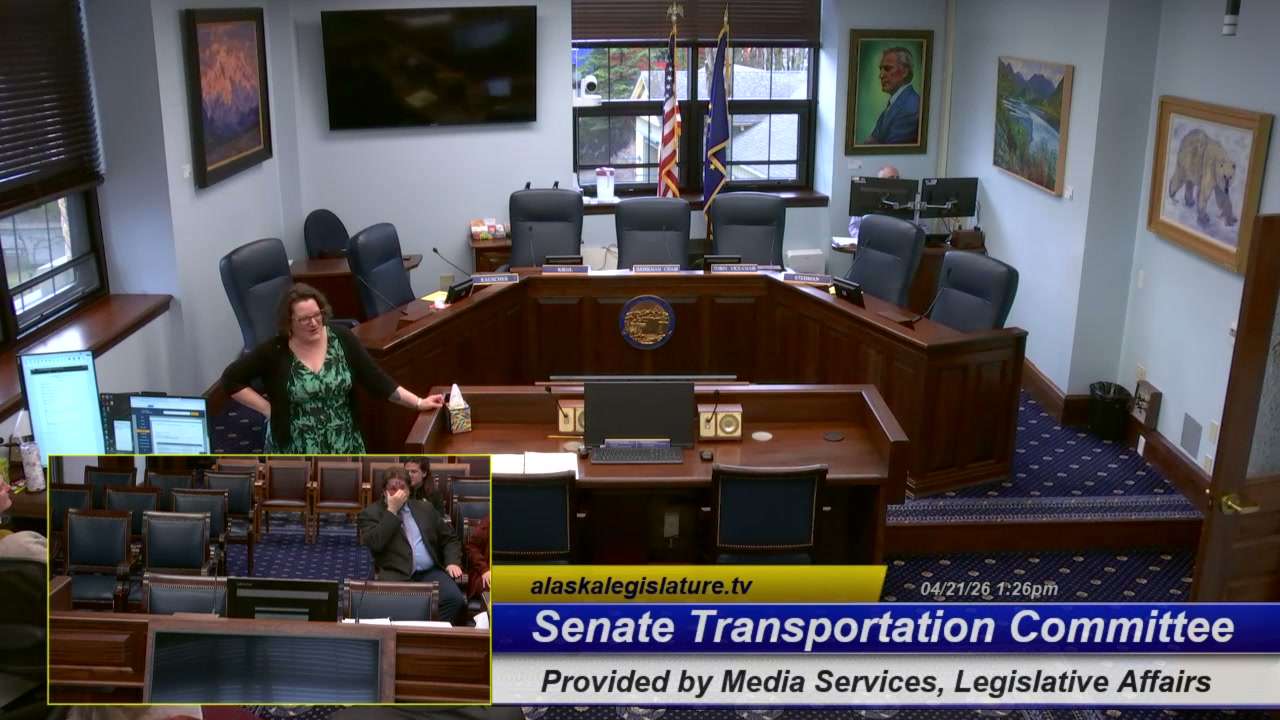
The Alaska Senate Transportation Committee heard testimony Tuesday on legislation that would require human operators in commercial autonomous vehicles. Lawmakers say the cautious approach reflects the state's challenging road conditions.
Senate Bill 148 would mandate that commercial trucks and buses using autonomous technology keep a qualified human operator in the driver's seat, ready to take control if the system fails. The bill does not restrict personal vehicles with self-driving features.
Background
Senator Robert Myers introduced SB 148 on March 28, 2025, to establish Alaska's first regulatory framework for autonomous vehicles. The bill defines different levels of automation and creates a liability structure for accidents involving self-driving technology. Senator Elvi Gray-Jackson joined as a cosponsor on April 4, 2025.
Alaska's Weather Concerns
Myers, who represents North Pole and the eastern part of the Fairbanks Borough, told the committee that Alaska's environment demands extra precautions.
"Alaska presents conditions that are very different from the environments where most autonomous vehicles are currently being tested," Myers said. "Snow, ice, and extreme weather introduce variables that these systems have not been widely proven to handle just yet."
The state currently has no statutes regulating autonomous vehicles or defining liability when accidents occur, Myers said.
"In Alaska, we have not yet answered these questions," Myers said. "There are currently no statutes that specifically regulate autonomous vehicles or clearly define liability."
The bill distinguishes between vehicle sizes and uses. Myers explained the legislation targets larger commercial vehicles, trucks and buses, while leaving personal cars with autonomous features unregulated.
"We are recognizing there is a big difference between, say, a Waymo taxi going down the road at 20 miles an hour through town and a 90,000-pound truck going down the road at 50, going down the highway at 55," Myers said.
Liability Framework
The bill establishes a hierarchy of liability in accidents involving autonomous vehicles. Under the proposed law, responsibility would fall first on the human operator, then shift to the vehicle modifier, programmer, or manufacturer if evidence shows the technology failed.
Myers said the bill creates statutory definitions for different levels of automation, from basic emergency braking systems to fully autonomous driving, based on industry standards.
This article was drafted with AI assistance and reviewed by editors before publishing. Every claim can be verified against the original transcript. If you spot an error, let us know.
Related Coverage
Senate panel hears autonomous vehicle bill requiring human operators
Alaska News · 1h ago · 96% match
Alaska considers ban on driverless commercial trucks amid safety debate
Alaska News · 1w ago · 11 views · 90% match
Alaska Senate Panel Weighs Tougher Hit-and-Run Penalties
Alaska News · 1w ago · 6 views · 78% match
Senate panel considers tougher penalties for fatal hit-and-run crashes
Alaska News · 1w ago · 3 views · 77% match
Alaska Senate panel weighs restrictions on vacuum-sealed homemade food sales
Alaska News · 1w ago · 1 views · 77% match
Comments
Sign in to leave a comment.
No comments yet. Be the first to share your thoughts.