
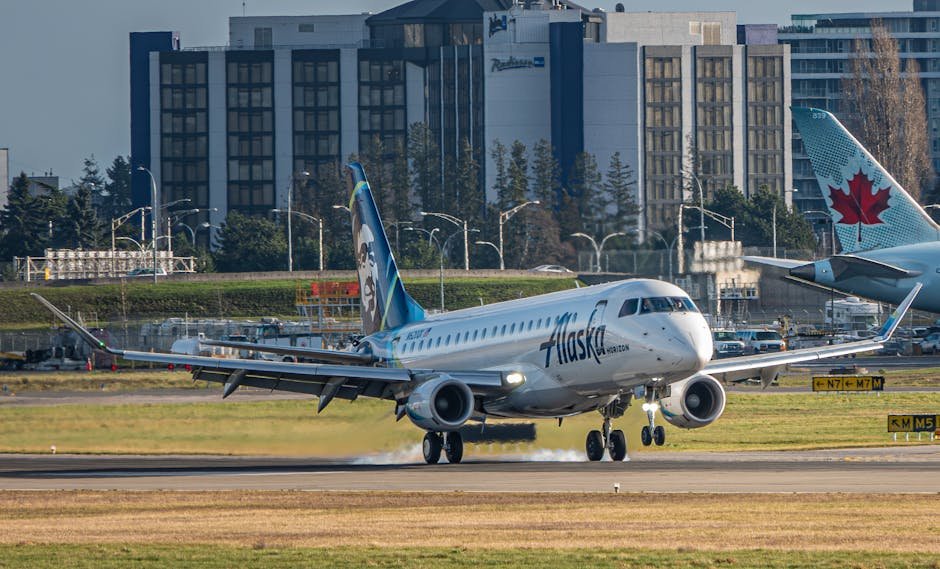
Photo by Airborne YVR on Pexels · Source
Alaska Airlines Pilots Raise Concerns Over Hawaiian Merger Integration
Alaska Airlines pilots are raising concerns about the integration with Hawaiian Airlines as the carrier retired Hawaiian's flight codes on April 22. The move has sparked questions about how the merger will affect crews based in Alaska and Hawaii.
The concerns center on how the two pilot groups will integrate their seniority lists, a process that determines which pilots fly which aircraft and routes. Hawaiian pilots have decades of experience on widebody aircraft like the Airbus A330 and Boeing 787 used for long-haul routes. Alaska pilots, who primarily fly narrowbody Boeing 737s, worry they may face delays in accessing those larger aircraft.
Alaska Airlines employs thousands of pilots across its network. The carrier operates a major hub in Anchorage and serves communities throughout the state, including Juneau, Fairbanks, Kodiak, and smaller destinations. Hawaiian Airlines has bases in Hawaii and operates trans-Pacific routes connecting the islands to the mainland and Asia.
Alaska-based pilots posting on social media voiced concerns about route viability and operational changes following the retirement of Hawaiian's flight codes. The posts appeared on April 22 as the code retirement took effect.
The Air Line Pilots Association, which represents both pilot groups, has established a resource page for the merger integration and joint collective bargaining agreement negotiations. The association is facilitating discussions as the two groups work to combine their contracts.
One area of concern involves how flying is allocated between mainline pilots and regional carriers. Alaska Airlines has historically used regional partners for some routes, while Hawaiian Airlines operated more flying with its own pilots. Crews in Alaska and Hawaii are watching how the merged carrier will structure its operations.
The joint collective bargaining agreement negotiations are ongoing. The process will determine pay rates, work rules, and how pilots from both carriers will be integrated into a single seniority list. That list will govern career progression, aircraft assignments, and route bidding for years to come.
Both airlines have maintained positive public statements about the merger integration. The seniority integration process typically takes months or years to complete at merged airlines.
This article was drafted with AI assistance and reviewed by editors before publishing. Every claim can be verified against the original transcript. If you spot an error, let us know.
Related Coverage
Alaska Fishermen Report Salmon Declines Amid Bycatch, Management Concerns
Alaska News · 3d ago · 4 views · 65% match
Senate Committee Hears Testimony on Nurse Licensure Compact Bill
Alaska News · 1w ago · 2 views · 65% match
Alaska considers ban on driverless commercial trucks amid safety debate
Alaska News · 1w ago · 10 views · 65% match
House Panel Considers Bills to Ease Alaska's Liquor Liability Insurance Crisis
Alaska News · 1w ago · 4 views · 64% match
Mayors Oppose Alaska LNG Tax Bill, Cite Revenue Concerns
Alaska News · 1w ago · 4 views · 64% match
Comments
Sign in to leave a comment.
No comments yet. Be the first to share your thoughts.